
Honoring Loved Ones with Thoughtful Funeral Care

Ofield Funeral Home • October 26, 2026

Share this article

Explore thoughtful funeral care, family wishes, veteran tributes, and planning steps with compassionate guidance from Ofield Funeral Home.

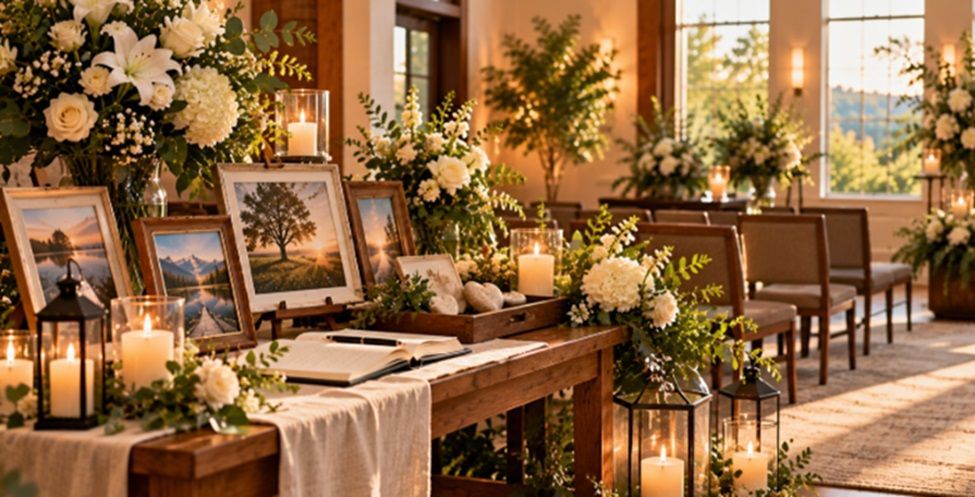
Memorial display with framed landscape photographs, white flowers, candles, an open book, and rows of chairs

Honoring someone after a death involves decisions that are both personal and practical. Families may need to consider their loved one’s wishes, religious traditions, service preferences, and the needs of those attending. Families researching funeral homes in Grand Rapids, MI often want clear explanations and guidance that gives them room to ask questions. 


At Ofield Funeral Home, thoughtful care begins with listening. Understanding what mattered to the person who died helps guide arrangements, while discussing timing, costs, and other practical details helps families make informed choices. A respectful farewell can take many forms, with each decision shaped by the individual and the people closest to them. 


Begin With Meaningful Conversations 

Before selecting music, flowers, or readings, it helps to discuss any preferences the person shared during their lifetime. They may have expressed wishes about burial or cremation, a religious ceremony, a particular location, or the people they wanted involved. 


Some wishes may be recorded in a prearranged plan. Others may come from conversations remembered by relatives or close friends. Sharing that information early gives the funeral director a clearer starting point. 


Which Wishes Should Families Discuss First? 

Begin with preferences that influence the overall arrangements. These may include the choice of burial or cremation, the type of gathering, and any religious or cultural practices that should be considered. 


Then discuss details that carry personal significance. Perhaps the person wanted a certain reading, preferred a quiet service, or hoped a favorite charity would be remembered. These wishes can help families choose what belongs in the tribute. 


When preferences are incomplete or relatives remember them differently, explain that uncertainty to the funeral director. Discussing the available information can help the family understand its options without feeling that every question must be resolved at once. 


Choose Care That Reflects Individual Needs 

Families have different ideas about how they want to honor someone. Some prefer a visitation and funeral ceremony followed by a graveside service. Others choose cremation with a memorial gathering. 


Practical considerations matter alongside those preferences. The number of guests, travel arrangements, accessibility needs, timing, and budget can influence the plan. Discussing these details openly helps families understand what is possible. 


When honoring someone who served in the military, families can seek professional assistance with veteran funeral services to discuss required documentation, potential benefits, and military honors when eligibility requirements are met. 


What Details Can Help Guide Service Choices? 

The following considerations can help families prepare for an arrangement conversation. 

Consideration Questions to Discuss How It Helps with Planning
Recorded wishes Did the person leave written preferences or make arrangements in advance? Provides a starting point for the main decisions.
Religious or cultural traditions Are there customs, readings, rituals, or timing requirements to consider? Helps the service respect beliefs and traditions.
Type of gathering Would a visitation, funeral ceremony, graveside service, or memorial feel appropriate? Clarifies how family and friends will gather.
Practical needs What should be considered for guest access, travel, scheduling, and costs? Helps the family select manageable arrangements.
Personal recognition Are there meaningful interests, achievements, or service contributions to acknowledge? Guides details that reflect the individual’s life.

These considerations do not need to be settled before contacting the funeral home. A funeral director can explain the choices and help families identify which decisions need attention first. 


Give Family and Friends a Role 

Relatives and friends can help shape a tribute by contributing information, taking on practical tasks, or participating in the gathering. Discussing roles in advance helps each person understand what is involved. 


Participation should remain voluntary. Someone may welcome a visible role, while another person may prefer to help quietly behind the scenes. 


How Can Loved Ones Participate Comfortably? 

Loved ones can take part in ways that fit their comfort level and the family’s wishes. Offering a choice of roles allows people to contribute without feeling pressured during a difficult time. 


  • Share information about their loved one’s wishes and traditions. 
  • Help gather photographs or meaningful belongings. 
  • Select a reading or musical piece with a personal connection. 
  • Deliver a eulogy or contribute a written remembrance. 
  • Serve as pallbearers when appropriate. 
  • Help coordinate messages, transportation, or other practical details. 


Ask before assigning a responsibility, particularly one that involves speaking publicly. Clear expectations and the freedom to decline can make participation feel more comfortable during an emotional time. 

Open photo album on a table with flowers, candles, keepsake boxes, books, and framed photographs beside a seating area.

Make Planning Feel More Manageable 

Funeral planning can involve unfamiliar decisions. Organizing information and discussing the main choices first can help families follow the process more easily. 


For those planning ahead, a helpful checklist for organizing funeral wishes can identify preferences and documents to consider. When arrangements are needed after a death, some of the same information can help guide the conversation. 


What Steps Can Help Families Organize Funeral Preferences? 

  1. Locate existing plans and written wishes. 
    Gather any prearrangement documents or recorded preferences. Let the funeral director know what has already been discussed or arranged. 
  2. Identify the main service preferences. 
    Discuss burial or cremation, the type of gathering, and any religious or cultural requirements. Note questions that still need answers. 
  3. Review practical considerations. 
    Talk about timing, location, accessibility, expected attendance, and costs. Ask for explanations of unfamiliar services or terms. 
  4. Gather relevant records. 
    Ask which personal documents are needed. Existing cemetery information and military discharge papers, when applicable, may also be useful. 
  5. Record personal details and proposed roles. 
    Note meaningful readings, music, belongings, and people who may wish to participate. Confirm their willingness before assigning responsibilities. 
  6. Share the information with trusted people. 
    When planning ahead, make sure someone knows where the preferences are kept. Review them periodically as circumstances or wishes change. 


This list is a starting point rather than a fixed order. Families can work through the details with a funeral director and ask for clarification whenever needed. 


Preplanning can communicate preferences without requiring every detail to remain unchanged. Keeping information accessible gives loved one’s useful direction when the time comes. 


Keep the Focus on a Lasting Tribute 

A lasting tribute can come from choices that accurately reflect the person being remembered. It may be a familiar prayer, recognition of military service, or a few words that describe how the person cared for others. 


Families can decide which elements belong in the service and which they prefer to keep private. There is no need to include every story or display every keepsake. 


We also provide online memorials where families and friends can share condolences, photographs, and memories. These offer another place for remembrance, including contributions from people who cannot attend the gathering. 


The purpose is to honor the individual in a way that respects their wishes and feels appropriate to the family. Thoughtful guidance can help keep that purpose clear throughout the arrangements. 


Discuss a Tribute That Reflects Your Loved One 

Thoughtful funeral care begins with understanding the person being remembered and the wishes of those closest to them. At Ofield Funeral Home, we help families review service options, consider personal and military tributes when appropriate, and organize the details of a respectful farewell. You can speak with our team about honoring your loved one or call (616) 455-9790 to discuss your family’s preferences.

Recent Posts

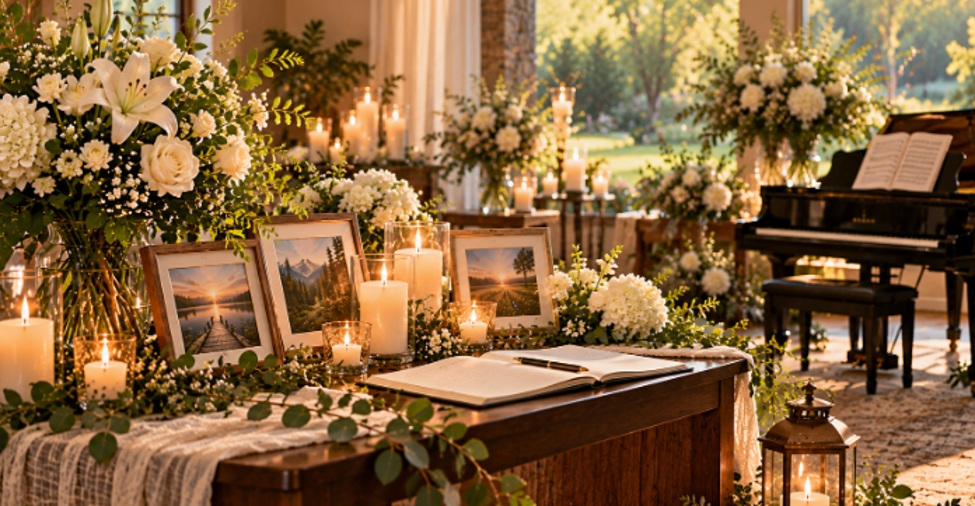
Memorial table with framed photos, white flowers, candles, an open guestbook, and a nearby piano.
By Ofield Funeral Home • November 2, 2026
Ofield Funeral Home helps families exploring a Lansing funeral home plan meaningful tribute. Call (616) 455-9790 for compassionate guidance.

Comfortable sitting area with an open journal, flowers, candles, a teacup, and a window overlooking
By Ofield Funeral Home • October 19, 2026
Ofield Funeral Home offers caring funeral guidance to families seeking Muskegon funeral homes. Call (616) 455-9790 for support after a loss.
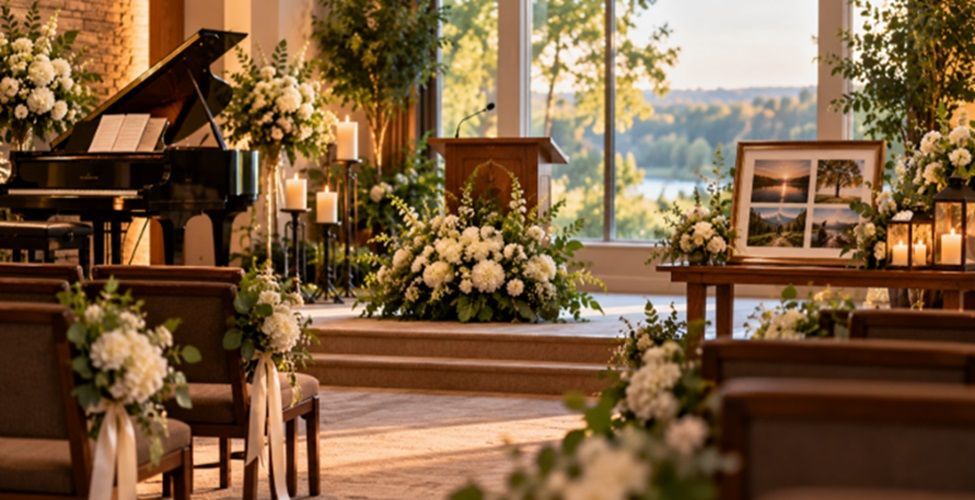
Memorial ceremony setting with a grand piano, wooden seating, white flowers, candles, and photos
By Ofield Funeral Home • October 12, 2026
Ofield Funeral Home helps families plan meaningful memorial services in Lansing, MI. Call (616) 455-9790 for caring guidance and support.

Open notebook and pen beside flowers, a candle, landscape photographs, and a teacup on a table.
By Ofield Funeral Home • October 5, 2026
Ofield Funeral Home guides families seeking funeral homes in Grand Rapids, MI through personal funeral planning. Call (616) 455-9790 for support.

By Brady Cortner • July 7, 2026
This is a subtitle for your new post
By Brady Cortner • May 28, 2026
No one wants to think about their own death. That is not a character flaw — it is human. Planning for the end of your life requires sitting with your own mortality in a concrete, practical way.

By Brady Cortner • April 30, 2026
Talking about the end of life is never easy. It is a topic that most of us would prefer to push into the distant future, perhaps even ignoring it until it becomes an immediate and unavoidable necessity. However, at Ofield Funeral Home, we have seen firsthand how much foresight can change a family's experience of loss. Pre-planning a funeral is not about focusing on death; it is about providing a final act of love and clarity for the people you leave behind. It is one of the kindest and most selfless things you can do for your family, and it ensures that your legacy is honored exactly as you envisioned. Removing the Emotional Burden of Decision-Making When a death occurs, the surviving family members are often in a state of profound shock and deep grief. In this incredibly vulnerable moment, they are suddenly required to make dozens of complex and expensive decisions within a very short timeframe—usually 24 to 48 hours. They must choose between burial and cremation, select a specific casket or urn, decide on the type of memorial service, coordinate with cemeteries, and contact clergy or celebrants. For a family struggling to process their emotions, these logistical requirements can feel completely overwhelming. This high-pressure environment can lead to "decision fatigue" and, unfortunately, family conflict. Even the closest families may have different ideas about what their loved one "would have wanted." By pre-planning, you take that entire burden off their shoulders. You provide a clear, written roadmap. When the time comes, your family doesn’t have to guess or argue over details. They can simply follow your instructions, which allows them the mental and emotional space to focus on supporting each other and beginning the healing process. Financial Security and Inflation Protection Funeral services, like any other professional service, are subject to inflation. The cost of a service today will likely be significantly higher ten, twenty, or thirty years from now. Many pre-planning options allow you to "pre-fund" your service, effectively locking in today’s prices for future needs. This is a powerful financial strategy that provides two major benefits to your estate. First, it ensures that the money is already set aside and accounted for, so your children or spouse are not faced with a sudden and unexpected financial strain during a difficult time. Second, it prevents "emotional overspending." Often, families who haven't discussed their loved one’s wishes will choose the most expensive options available because they want to "do right" by the deceased and are making decisions based on guilt or grief rather than logic. If you have already specified what you want and have paid for it, you protect your family from that emotional and financial pressure. You are essentially giving them a "paid-in-full" gift, allowing them to move forward without debt. Crafting a Personal Legacy and Storytelling A funeral is more than just a formal goodbye; it is a celebration of a unique life lived. It is the final opportunity to tell your story to the world. Pre-planning gives you the chance to decide exactly how that story is told. You can choose the specific music that held meaning throughout your life, the readings that inspired you, or the charitable organizations you want people to support in your memory instead of sending flowers. Whether you want a traditional, solemn religious service or a bright, upbeat "celebration of life" held in a non-traditional location, these are personal choices that reflect your unique personality. By planning ahead, you ensure that the service feels authentic. It is a way to have one last conversation with your friends and family, reminding them of the joy, the values, and the memories you shared. When a service is personalized, it provides a much deeper sense of closure and comfort for those who attend. The Practical Logistics of Peace of Mind Beyond the service itself, pre-planning involves organizing vital information that your family will need for legal and administrative purposes. This includes details for the obituary, information for the death certificate, and instructions regarding veterans' benefits or insurance policies. When these details are gathered in advance and kept on file at the funeral home, it prevents a frantic search through old files and desk drawers during a week when your family is already exhausted. We often find that families are surprised by how much information the state and the cemetery actually require. By sitting down with a professional at Ofield Funeral Home now, you can ensure all the "boxes are checked." This logistical preparation is the ultimate form of organization, ensuring that the transition of your estate and the honoring of your life happen smoothly and without administrative delays. Peace of Mind for the Present Surprisingly, many people find that once they have completed their pre-planning, they feel a great sense of relief and even a renewed energy for life. It is a task that often hangs over people's heads as a nagging "should do." Once it is finished, you can stop worrying about it. You know that your affairs are in order, that your family is protected from unnecessary stress, and that your wishes are secure.  This peace of mind allows you to live more fully in the present. You have handled the "what ifs" of the future, which frees you to enjoy the "here and now" with your loved ones. At Ofield Funeral Home, we view pre-planning as a conversation about life. It is about making sure that the people you love are taken care of, even when you are no longer there to do it yourself. It is a final, lasting expression of the care you have shown them throughout your life.

By Brady Cortner • March 26, 2026
This is a subtitle for your new post
By Brady Cortner • February 26, 2026
Ofield Funeral Home works with families navigating these decisions and understands how cremation supports clarity and meaningful remembrance in a changing landscape.
By Brady Cortner • January 29, 2026
This is a subtitle for your new post