

How Memorial Services Strengthen Connection

Ofield Funeral Home • October 12, 2026

Share this article

Ofield Funeral Home helps families plan meaningful memorial services in Grand Rapids, MI. Call (616) 455-9790 for caring guidance and support.

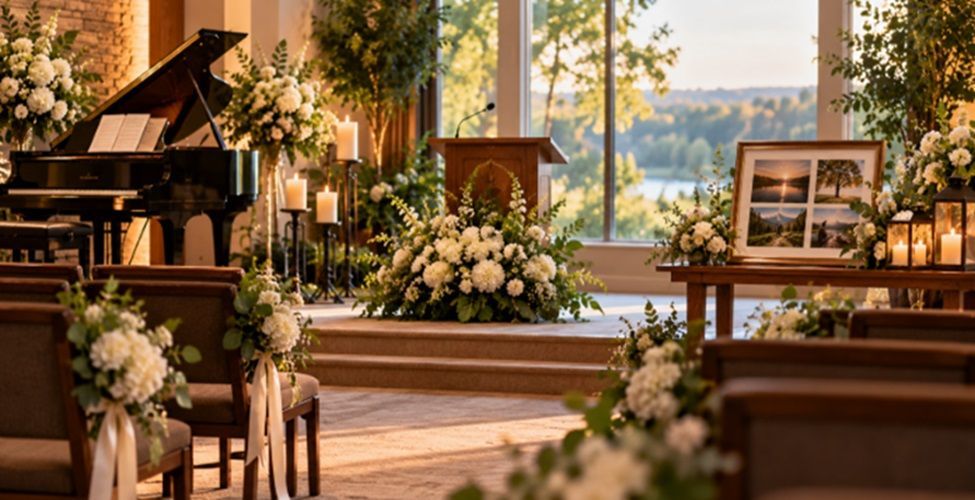
Memorial ceremony setting with a grand piano, wooden seating, white flowers, candles, and a framed photo display
Grief can leave families searching for ways to feel connected to the person they have lost and to one another. When families seek Lansing funeral home, a memorial service can provide a dedicated time for relatives and friends to gather, share memories, and offer comfort. The gathering gives people an opportunity to recognize a life that mattered and the relationships that remain.

Connection does not require an elaborate ceremony. It may develop through a familiar photograph, a story someone has never heard, or a quiet conversation between relatives who have spent years apart. At Ofield Funeral Home, we understand that each family experiences grief differently. A memorial can make room for those differences while keeping the person being remembered at the center of the gathering.

Bring Family and Friends Together

A memorial service creates a specific time and place for people to gather. That shared experience can be especially meaningful when relatives and friends have different schedules, live in different communities, or have not seen one another recently.

Being together allows people to talk about their loved one in ways that may not happen during ordinary conversations. A childhood friend may recall a story the family has never heard. A coworker may describe an act of kindness that happened quietly. Grandchildren may learn about experiences from earlier stages of their loved one's life.

How Can Guests Participate Without Speaking Publicly?

Guests who prefer not to speak during the service can still contribute in meaningful ways.

They might:

  • Write a memory or message for the family.
  • Share a photograph before the gathering.
  • Help select a meaningful song or reading.
  • Ask someone else to read a short tribute on their behalf.
  • Send a personal remembrance if they cannot attend.

A memory book or collection of cards can preserve these contributions after the gathering. Families can read them when they feel ready, without needing to take in every message during the service itself.

Participation should remain optional. Someone who attends quietly may be offering the support they are able to give that day. Respecting that choice helps the memorial remain welcoming.

Let Personal Details Encourage Memories

Personalization can make a memorial feel familiar. Photographs, music, keepsakes, artwork, readings, and videos can remind guests of specific moments and encourage stories to emerge naturally.

Families considering personal ways to create a meaningful memorial can select details that represent the individual's character and experiences. A display might include family photographs, items connected with a hobby, artwork, awards, uniforms, or belongings associated with a favorite activity.

Which Personal Touches Can Encourage Shared Memories?

Choose details with a clear connection to the person being honored. A small collection can be enough to invite memories from different parts of their life.

Personal Touch How It Can Encourage Connection Simple Way to Include It
Photographs Help guests recall shared experiences and learn about unfamiliar chapters of someone's life. Arrange a small display with photographs from different years.
Meaningful music Bring back memories associated with family traditions, friendships, or special occasions. Include a favorite song during the gathering.
Personal keepsakes Give guests something recognizable to discuss, such as a hobby or achievement. Display a meaningful item with a brief explanation of its significance.
Written memories Allow participation from people who prefer not to speak publicly. Provide cards for guests to share a story or message.
Tribute videos Bring photographs together for family and friends to view. Include images that reflect different relationships and stages of life.

Before displaying personal items or sharing stories, consider the family's comfort and privacy. Some memories may be best kept within a smaller circle, and relatives should feel comfortable with what is included.

Share Stories from Different Parts of Life

One person may have been a parent, grandparent, sibling, neighbor, colleague, mentor, or longtime friend. Each relationship carries memories that others may not know.

A memorial gives families an opportunity to bring some of those perspectives together. A eulogy may describe the broad outline of someone's life, while a shorter story can reveal their humor, habits, or the way they cared for others.

Hearing these memories can help guests understand the person more fully. Family members may discover how their loved one encouraged a coworker or supported a neighbor. Friends may learn about traditions and moments that were important at home.

How Can Guests Participate Without Speaking Publicly?

Guests can contribute to a written memory, send a photograph before the service, help select music, or ask someone else to read a short message on their behalf. Those who cannot attend may also wish to share something for the family to include.

A memory book or collection of cards can preserve these contributions after the gathering. Families can read them when they feel ready, without needing to take in every message during the service itself.

Participation should remain optional. Someone who attends quietly may be offering the support they are able to give that day. Respecting that choice helps the memorial remain welcoming.

Create Space for Grief and Support

A meaningful gathering does not require anyone to hide difficult emotions. Tears, laughter, silence, storytelling, and reflection can exist in the same space. Some memories may bring sadness, while others bring warmth or humor.

People may also respond differently to the same story or song. Giving guests room to listen, step away briefly, or speak with someone privately can help them participate at their own pace.

Support may continue after the service. Families can explore resources for support through the grieving process, including information about counseling, support groups, and online resources.

Friends and relatives can maintain connection in everyday ways. A thoughtful message, an offer to help with a task, or an invitation to spend time together may be welcome after the activity surrounding the memorial has ended. Asking what would be helpful allows the grieving person to express their needs.

A memorial cannot remove the pain of a loss. It can offer a place to acknowledge loss and remind family members that people around them care.

Keep Meaningful Connections Present

The memories shared during a memorial do not have to remain limited to that day. Photographs, written messages, and recordings can become part of a collection that families revisit when they wish.

Some relatives may want to look through these materials soon after the gathering. Others may prefer to wait. There is no need to establish a schedule or expect everyone to participate in the same way.

What Are Simple Ways to Preserve Shared Memories?

  1. Collect written stories in one place.

    Keep memory cards, letters, and messages together in a folder, book, or digital file. Include the contributor's name when they are comfortable sharing it.

  2. Create a shared photograph collection.

    Invite relatives and friends to contribute photographs. Adding names, approximate dates, and a short explanation can help younger family members understand the memories behind them.

  3. Save tribute materials.

    Preserve a copy of the service program, tribute video, selected readings, or eulogy. Ask permission before recording speakers or sharing recordings beyond the family.

  4. Continue a meaningful tradition.

    Families may choose to prepare a favorite meal, listen to familiar music, or visit a place connected with their loved one. Keep participation flexible so the tradition remains comfortable for those involved.

  5. Stay in touch after the gathering.

    Reach out to relatives and friends who shared memories or offered support. A later conversation may bring additional stories to light and help maintain relationships.

These practices do not need to become formal projects. Families can choose one or two that feel manageable and leave other decisions for another time.

Find Support for a Meaningful Memorial

A meaningful memorial gives family and friends space to share stories, remember a loved one, and support one another. At Ofield Funeral Home, we help families consider personal details and arrangements that reflect the life being honored. You can speak with our team about memorial arrangements or call (616) 455-9790 to discuss your family's wishes.

Recent Posts

Open notebook and pen beside flowers, a candle, landscape photographs, and a teacup on a table.
By Ofield Funeral Home • October 5, 2026
Ofield Funeral Home guides families seeking funeral homes in Grand Rapids, MI through personal funeral planning. Call (616) 455-9790 for support.

By Brady Cortner • July 7, 2026
This is a subtitle for your new post
By Brady Cortner • May 28, 2026
No one wants to think about their own death. That is not a character flaw — it is human. Planning for the end of your life requires sitting with your own mortality in a concrete, practical way.

By Brady Cortner • April 30, 2026
Talking about the end of life is never easy. It is a topic that most of us would prefer to push into the distant future, perhaps even ignoring it until it becomes an immediate and unavoidable necessity. However, at Ofield Funeral Home, we have seen firsthand how much foresight can change a family's experience of loss. Pre-planning a funeral is not about focusing on death; it is about providing a final act of love and clarity for the people you leave behind. It is one of the kindest and most selfless things you can do for your family, and it ensures that your legacy is honored exactly as you envisioned. Removing the Emotional Burden of Decision-Making When a death occurs, the surviving family members are often in a state of profound shock and deep grief. In this incredibly vulnerable moment, they are suddenly required to make dozens of complex and expensive decisions within a very short timeframe—usually 24 to 48 hours. They must choose between burial and cremation, select a specific casket or urn, decide on the type of memorial service, coordinate with cemeteries, and contact clergy or celebrants. For a family struggling to process their emotions, these logistical requirements can feel completely overwhelming. This high-pressure environment can lead to "decision fatigue" and, unfortunately, family conflict. Even the closest families may have different ideas about what their loved one "would have wanted." By pre-planning, you take that entire burden off their shoulders. You provide a clear, written roadmap. When the time comes, your family doesn’t have to guess or argue over details. They can simply follow your instructions, which allows them the mental and emotional space to focus on supporting each other and beginning the healing process. Financial Security and Inflation Protection Funeral services, like any other professional service, are subject to inflation. The cost of a service today will likely be significantly higher ten, twenty, or thirty years from now. Many pre-planning options allow you to "pre-fund" your service, effectively locking in today’s prices for future needs. This is a powerful financial strategy that provides two major benefits to your estate. First, it ensures that the money is already set aside and accounted for, so your children or spouse are not faced with a sudden and unexpected financial strain during a difficult time. Second, it prevents "emotional overspending." Often, families who haven't discussed their loved one’s wishes will choose the most expensive options available because they want to "do right" by the deceased and are making decisions based on guilt or grief rather than logic. If you have already specified what you want and have paid for it, you protect your family from that emotional and financial pressure. You are essentially giving them a "paid-in-full" gift, allowing them to move forward without debt. Crafting a Personal Legacy and Storytelling A funeral is more than just a formal goodbye; it is a celebration of a unique life lived. It is the final opportunity to tell your story to the world. Pre-planning gives you the chance to decide exactly how that story is told. You can choose the specific music that held meaning throughout your life, the readings that inspired you, or the charitable organizations you want people to support in your memory instead of sending flowers. Whether you want a traditional, solemn religious service or a bright, upbeat "celebration of life" held in a non-traditional location, these are personal choices that reflect your unique personality. By planning ahead, you ensure that the service feels authentic. It is a way to have one last conversation with your friends and family, reminding them of the joy, the values, and the memories you shared. When a service is personalized, it provides a much deeper sense of closure and comfort for those who attend. The Practical Logistics of Peace of Mind Beyond the service itself, pre-planning involves organizing vital information that your family will need for legal and administrative purposes. This includes details for the obituary, information for the death certificate, and instructions regarding veterans' benefits or insurance policies. When these details are gathered in advance and kept on file at the funeral home, it prevents a frantic search through old files and desk drawers during a week when your family is already exhausted. We often find that families are surprised by how much information the state and the cemetery actually require. By sitting down with a professional at Ofield Funeral Home now, you can ensure all the "boxes are checked." This logistical preparation is the ultimate form of organization, ensuring that the transition of your estate and the honoring of your life happen smoothly and without administrative delays. Peace of Mind for the Present Surprisingly, many people find that once they have completed their pre-planning, they feel a great sense of relief and even a renewed energy for life. It is a task that often hangs over people's heads as a nagging "should do." Once it is finished, you can stop worrying about it. You know that your affairs are in order, that your family is protected from unnecessary stress, and that your wishes are secure.  This peace of mind allows you to live more fully in the present. You have handled the "what ifs" of the future, which frees you to enjoy the "here and now" with your loved ones. At Ofield Funeral Home, we view pre-planning as a conversation about life. It is about making sure that the people you love are taken care of, even when you are no longer there to do it yourself. It is a final, lasting expression of the care you have shown them throughout your life.

By Brady Cortner • March 26, 2026
This is a subtitle for your new post
By Brady Cortner • February 26, 2026
Ofield Funeral Home works with families navigating these decisions and understands how cremation supports clarity and meaningful remembrance in a changing landscape.

By Brady Cortner • January 29, 2026
This is a subtitle for your new post