A meaningful tribute begins with understanding the person behind the memories. Families searching for a Lansing funeral home may be facing many decisions while also processing a significant loss. Compassionate funeral care can make those decisions feel more manageable by providing clear guidance and enough room to consider what truly represents a loved one. Instead of focusing only on the practical parts of a service, we can bring together stories, relationships, traditions, music, photographs, and personal details that help family and friends remember a life with warmth and sincerity.
Creating a tribute can feel difficult when ideas come from several relatives and friends. One person may suggest a favorite song, another may bring photographs, and someone else may remember a tradition worth including. Compassionate guidance can help families bring those contributions together, decide what feels appropriate, and prepare the details without taking on more than they can comfortably manage.
Let a Loved One's Story Guide the Service
Before choosing individual elements, consider what you want the gathering to communicate about your loved one. Their relationships, values, interests, and everyday habits can offer direction.
A person who loved gardening might be remembered through photographs of their garden and a story about sharing what they grew. Someone known for hospitality might be honored through memories of the meals and conversations they brought people together to enjoy.
These connections give each detail a purpose. They can also help families decide which ideas belong in the tribute when there are many possibilities.
How Can Families Choose a Theme for a Tribute?
A theme can be a simple idea that guides the selections, such as devotion to family, a love of music, or service to the community. It does not need to become a formal title or appear on every part of the gathering.
Start by asking what relatives and friends most often remember about the person. Look for connections among their stories, then choose a few details that express those qualities.
The theme should remain flexible. A person’s life may include several important interests and relationships, and the tribute can make room for them. The goal is to give the family a useful starting point while keeping the choices personal.
Use Personal Details to Encourage Remembrance
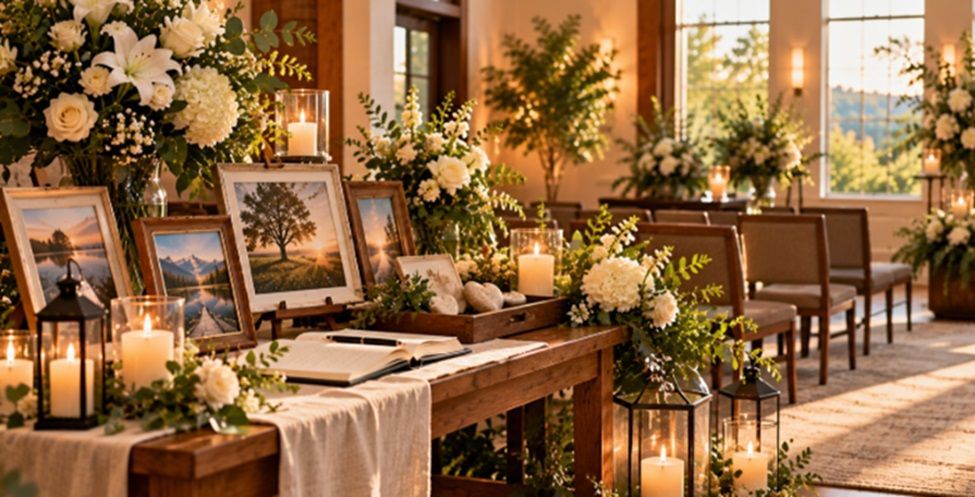
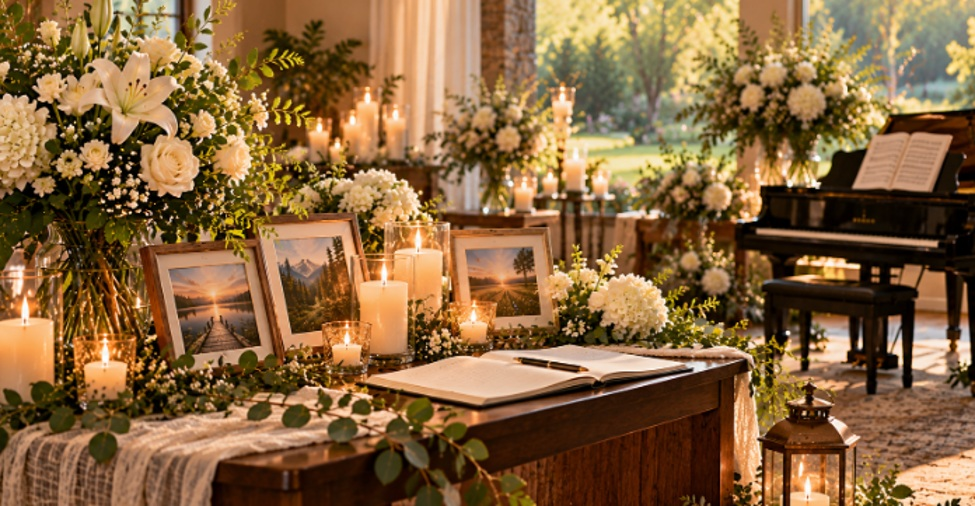
At Ofield Funeral Home, families can explore photographs, slideshows, tribute videos, artwork, meaningful objects, music, and readings when planning a personal tribute.
Families considering personalized funeral tribute ideas for loved ones can begin with materials they already have. A familiar photograph or treasured object may carry more meaning than something purchased specifically for the service.
Which Tribute Details Best Reflect Your Loved One?
Consider both the personal connection and the preparation each choice requires. Selecting a manageable number of elements can help families give each one the attention it deserves.
| Tribute Detail | Personal Connection to Consider | Preparation Needed |
|---|---|---|
| Photograph display | Does it show important relationships, experiences, or everyday moments? | Select clear images and identify people or dates when helpful. |
| Musical selection | Was the song meaningful to the person or connected with a shared memory? | Confirm the version, format, and when it will be played. |
| Reading or poem | Does it reflect the person’s beliefs, values, or interests? | Choose the passage and confirm who is comfortable reading it. |
| Personal keepsake | Does the item represent a recognizable part of the person’s life? | Discuss its placement, safe handling, and return after the service. |
| Tribute video | Do the images tell a balanced story of the person’s life? | Gather photographs and confirm submission requirements with staff. |
| Written remembrance | Does it share a specific memory or describe a meaningful quality? | Review the wording, length, and how it will be included. |
Before sharing photographs, writings, or personal stories publicly, consider the family’s comfort and privacy. Some materials may be better kept within a smaller circle.
Ask the funeral director about available display space and equipment before preparing a large collection or arranging technical elements. Confirming these details early can prevent unnecessary work.
Welcome Participation from Family and Friends
People who knew the individual may have contributions that help make the tribute more complete. Giving them a clear invitation can make it easier to share something useful.
For example, asking for one photograph and a short memory provides more direction than requesting everything someone has. A designated family contact can collect contributions and keep track of what has been received.
What Can Guests Contribute to a Personal Tribute?
Depending on the family’s wishes, relatives and friends might offer:
- A photograph with a brief explanation of the memory behind it.
- A short story that illustrates the person’s character.
- A meaningful song or reading suggestion.
- Artwork, a letter, or another personal item for consideration.
- A written message from someone who cannot attend.
- Help organizing materials or preparing a display.
Participation should remain optional. Some people may want to speak during the service, while others may prefer to contribute quietly or attend without taking on a role.
Explain how contributions will be used and ask permission before including private messages in a public display or online memorial. This helps contributors make informed choices about what they share.
Balance Compassion with Clear Guidance
Families may have many tribute ideas while also making decisions about the service itself. Discussing the overall arrangements first can help establish the time, space, and resources available for personal details.
A funeral director can explain what is needed, answer questions about preparation, and help families understand which choices require attention first. Families should also feel comfortable discussing costs before committing to additional elements.
What Steps Can Help Families Coordinate a Tribute?
Bringing tribute ideas together can feel more manageable with a few clear priorities and shared responsibilities. These steps can help families prepare while respecting everyone’s comfort and available time.
- Choose the details that matter most.
Begin with your loved one’s wishes and a few memories your family wants to share. You do not need to include every idea for the tribute to be meaningful.
- Organize contributions and share manageable tasks.
Ask a willing relative or friend to collect photographs, messages, and suggestions. Agree on who will prepare readings or bring keepsakes, ensuring each person feels comfortable with their role.
- Confirm arrangements with the funeral director.
Discuss display space, music, video equipment, timing, and submission requirements. Ask what is included and whether any choices involve additional costs.
- Review materials and arrange their return.
Check names, captions, readings, and video selections. Obtain permission before sharing private materials, and decide who will collect belongings and save copies afterward.
These steps can be adapted to the time and support available. A simple tribute is still meaningful, and families can ask for help when preparation feels difficult.
The service format can also allow different approaches to remembrance. Cremation, for example, can be accompanied by a funeral ceremony or memorial gathering. Discussing the available arrangements helps families understand how their tribute ideas can fit into the service.
Create Meaning Beyond a Single Gathering
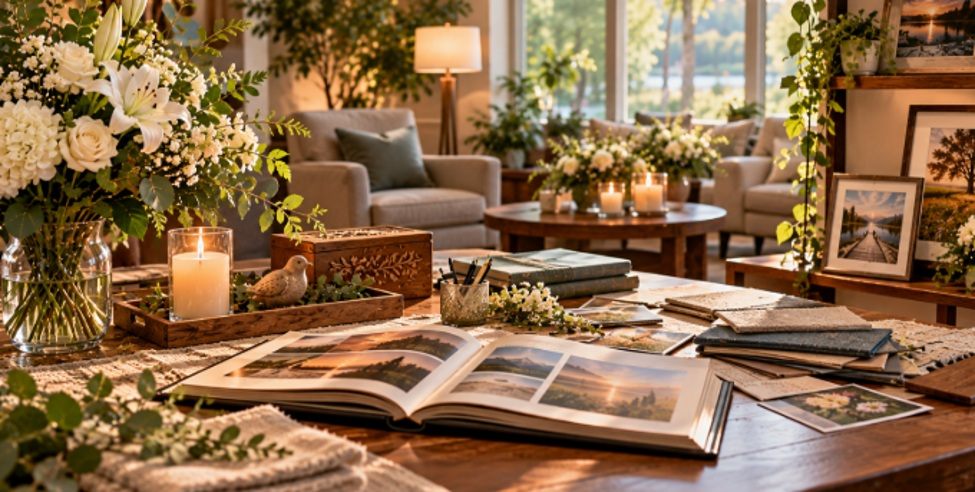
Tribute materials can become a collection that families keep after the service. A photograph display may be returned to an album, while written memories can be gathered into a book or folder.
An online memorial offers another place for relatives and friends to share condolences, photographs, and memories. Families can decide which contributions they wish to make public and which they prefer to keep privately.
How Can Tribute Materials Be Preserved Thoughtfully?
Keep original photographs, letters, and meaningful objects together until they can be returned to their owners. Label borrowed items where appropriate and designate someone to oversee their collection.
For digital materials, save copies in an organized folder and agree on who may access or share them. Ask permission before distributing recordings or personal messages beyond the intended audience.
Families do not need to sort everything immediately. Materials can be kept safely until someone feels ready to review them. Those who want additional information can explore guidance on understanding the grieving process as their needs change after the service.
Discuss a Personal Tribute with Our Team
A personal tribute can begin with a few memories and thoughtful choices about how to share them. At Ofield Funeral Home, we help families discuss their ideas, understand available options, and coordinate details that reflect their loved one. You can speak with our team about creating a personal tribute or call (616) 455-9790 to discuss your family’s wishes.